
Introduction
The desert is one of the harshest places on earth, and knowing the Top 10 Tips for Survival in the Desert can make a life-saving difference. At first glance, the golden dunes and endless open skies may look peaceful, but surviving here is a serious challenge. The main dangers include extreme heat during the day, severe lack of water, freezing cold nights, limited food sources, and the constant risk of getting lost in the vast and empty landscape. Learning how to handle these conditions with the right survival tips is essential for anyone planning a desert journey.
Many travelers who take the desert seriously underestimate it, which is why they often get into trouble. Water scarcity sets in quickly in the desert, and the sun saps your energy, and without proper preparation, even a small building can collapse. Unlike mountains or forests, the desert offers very little protection and very few resources to rely on.
This is why understanding desert survival is so important. That’s why understanding desert survival is so important. Whether you’re exploring for adventure or preparing for an emergency, the right knowledge can make all the difference.
Based on our experience, we’re going to share with you ten guidelines or ten practical tips for desert survival. In these tips, you’ll learn how to find water, protect yourself from the sun, build shelter, avoid danger, and stay calm when it matters most. These tips are simple, effective, and could save your life one day.
Let’s begin with the top 10 desert survival tips you must know.
Understanding the Desert Environment
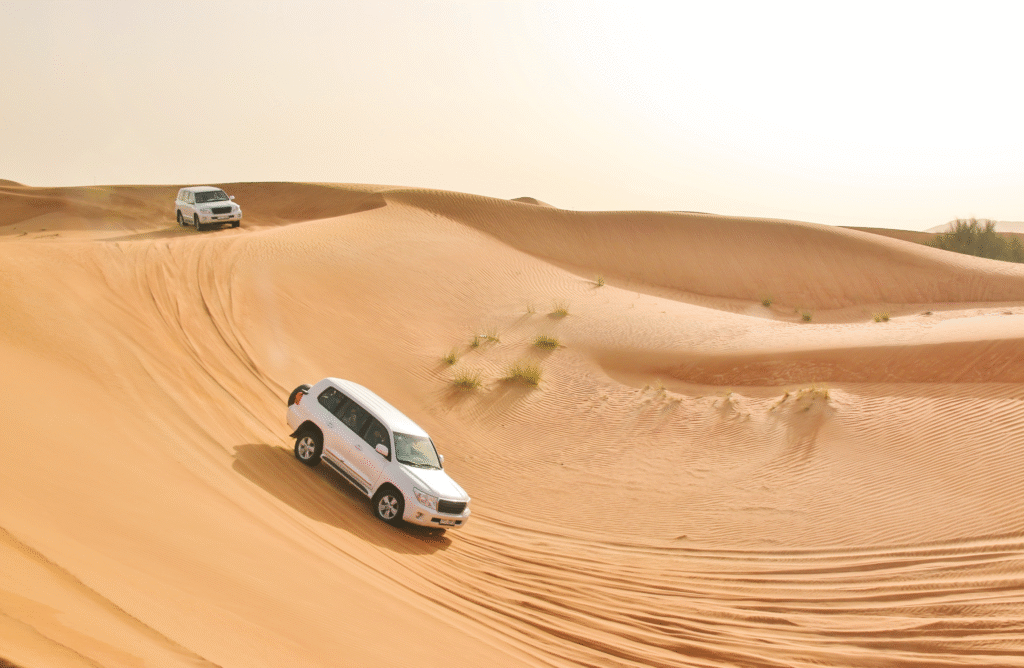
Extreme Weather:
- Daytime temperatures frequently exceed 45–50°C (113–122°F).
- During the night, temperatures fall to freezing levels, which causes immediate physical stress to the body.
Sandstorms:
Airborne sand arises from powerful winds that produce complete visibility loss.
The substance produces breathing difficulties and eye pain, together with mental confusion.
People who lack protection face life-threatening situations when sandstorms occur.
Sun Exposure:
- The desert environment lacks any natural protection from the sun.
- The body becomes vulnerable to sunburn and heatstroke, and dehydration when exposed to intense heat.
- The combination of correct apparel and proper head protection, and sunblock application stands as a basic requirement.
Desert Ecosystem:
- The area supports drought-resistant plants, which include cacti and succulents, and water-storing shrubs.
- Animals, including snakes and lizards and scorpions, and foxes, choose to be active at night because they want to stay away from the hot daytime temperatures.
- The desert appears vacant, yet it contains numerous organisms that have evolved to survive in harsh desert environments.
Key Lesson for Survival:
- The climate needs respect, while people must remain ready for unexpected alterations.
- Investigate the effects of heat and cold, and storms on human physiology.
- The desert ecosystem provides valuable knowledge about survival through adaptation.
Tip 1: Stay Hydrated & How To Find Water
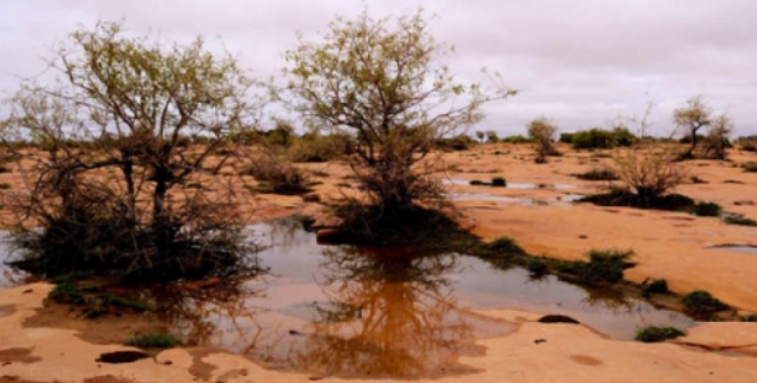
Desert survival depends on water as its most essential resource. The human body can stay alive for several weeks without food, yet it requires water to survive for only a short period of days. The desert environment causes dehydration to occur rapidly because desert heat causes immediate sweat evaporation. Water keeps you alive, so make sure to drink enough.
Where to find water
Finding water in the desert can be difficult, but it’s not impossible if you know where to look:
- Cactus and succulents: Some cactus species have drinkable moisture. However, not all are safe, so knowledge is crucial.
- Dry riverbeds (wadis): Dig a few feet below the surface; sometimes water accumulates underground.
- Under rocks or in shaded areas: Early morning dew or moisture may be trapped here.
- Animal signs or plants: Plants and animals often indicate nearby water sources.
Water conservation strategies
- Since water is so limited, it’s essential to conserve it:
- Drink small sips regularly rather than drinking large amounts at once.
- Rest in the shade during the hottest part of the day to reduce sweating.
- Keep your body covered to prevent excessive moisture loss.
- Move slowly to conserve energy and quench thirst.
Common mistakes to avoid
One of the biggest mistakes people make is drinking too much water at once. While this may feel refreshing, it can quickly dehydrate your body. Instead, pace yourself and drink the water you need.
Tip 2: Protect yourself from the sun

The intense desert sun can quickly turn a fun adventure into a dangerous situation. Prolonged exposure to the sun can lead to sunburn, dehydration, and even heatstroke. Protecting yourself from the sun is one of the most important desert survival tips.
How to stay safe in the sun:
- Clothing: Wear loose, light-colored clothing. These reflect sunlight and allow air to circulate, which keeps your body cool. Long sleeves and pants also protect your skin from harmful UV rays.
- Hat or cap: A wide-brimmed hat or cap can protect your face, neck, and ears from direct sunlight. You can also use a scarf or shemagh to cover exposed areas.
- SPF Sunscreen: Use sunscreen with SPF 30+ on all exposed skin. Reapply every few hours, especially if you sweat or wipe your face. Don’t forget your ears, hands, and the back of your neck.
- Cooling Tips: Rest in the shade whenever possible. Place a damp cloth on your neck or forehead. Avoid the sun’s peak hours (11 a.m. to 3 p.m.), move slowly, and avoid overexertion.
Common mistakes to avoid:
- Wearing dark or tight clothing that traps heat.
- Skipping sunscreen on short trips.
- Walking or working in direct sunlight without taking a break.
Tip 3: Navigation & Finding Direction
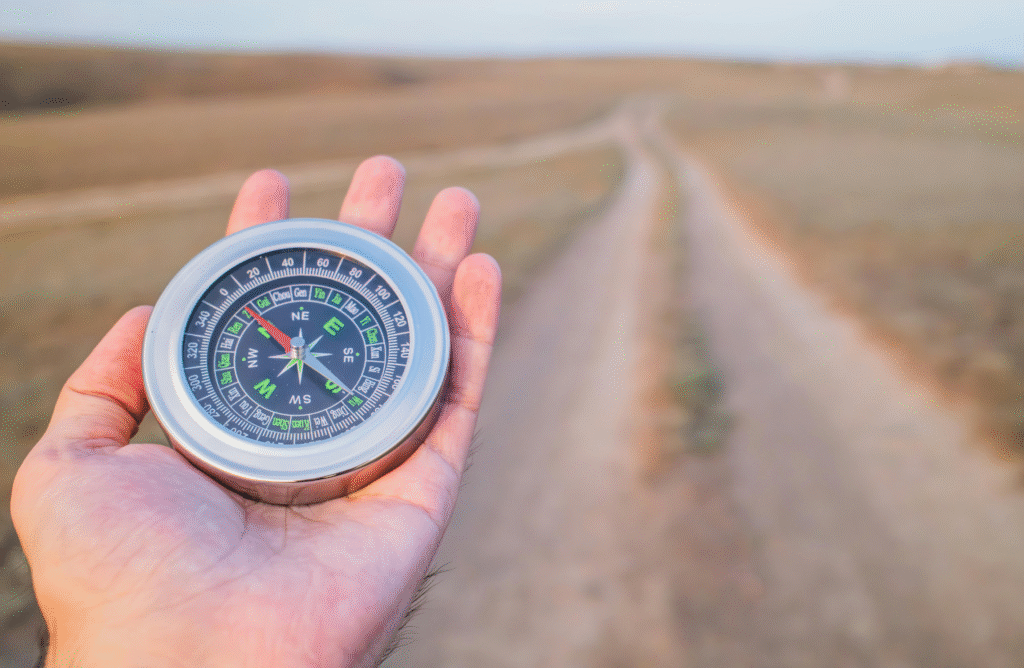
The desert becomes dangerous to navigate because its endless sandy terrain presents identical patterns that deceive every traveler. Learning to determine your direction functions as a fundamental survival ability that lets you conserve vital resources while saving time and physical energy.
Ways to Navigate:
The sun travels from east to west during daylight hours. The moon’s position in the sky provides a basic understanding of direction. Shadows serve as a useful tool because objects produce extended shadows during morning and evening hours, which reveal the east-west direction.
- Using the Stars: The North Star (Polaris) serves as a dependable navigation tool for people who reside in the northern hemisphere at night. Learning to identify constellations and celestial cues can help you maintain a straight path when visibility is low.
- Using a Compass or GPS: A compass functions as a basic yet powerful instrument that helps people find their way when natural signs become hard to detect. GPS devices provide exact position information, but users need to keep alternative navigation systems because battery failures and device malfunctions tend to happen frequently.
- Identifying Landmarks: Look for unique features like rock formations, dunes, or vegetation clusters. Your path becomes easier to follow when you create small stone piles or stick markers, which serve as retrieval points for future use.
Common Mistakes to Avoid:
- Wandering without a plan.
- Relying solely on technology without backup.
- Ignoring natural indicators like the sun or landmarks.
Pro Tip: Combine natural navigation, tools, and landmarks for the safest and most reliable way to find your way in the desert. Staying aware of your surroundings reduces the risk of getting lost and conserves energy for survival.
Tip 4: Build or Find Shelter
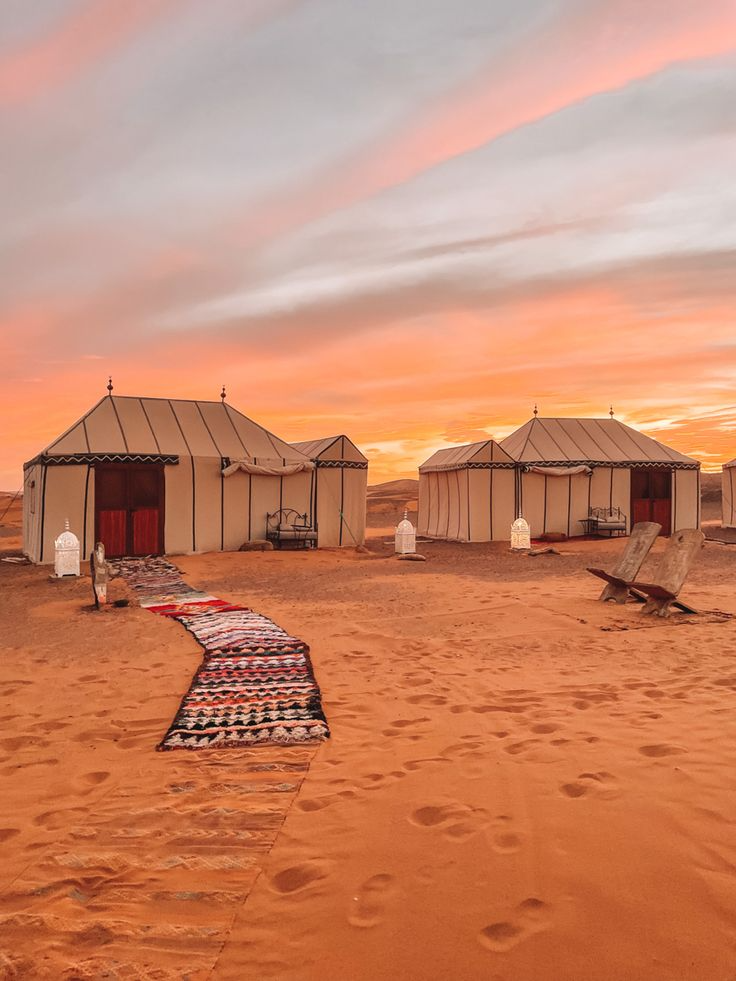
To endure the extreme heat of the day and the severe cold of the night, desert dwellers need urgent access to shelters. A decent shelter protects from weather conditions while maintaining energy and water conservation.
Ways to Take Shelter:
- Easy Ways to Build Your Own Shelter: You need to dig a shallow trench in the sand, then cover it with branches or clot,h or a tarp to build a temporary shelter. You need to place heavy objects or rocks on top of your coverings to protect them from getting blown away by strong winds. The basic setups function to protect you against heat and cold, and sandstorms.
- The desert sun produces an intense heat that requires people to find ways to escape its power. Natural formations such as big rocks and cliffs, and overhangs serve as perfect places to find shade. A little bit of shade works as a powerful tool against heatstroke and dehydration.
- Stay Warm at Night: The desert experiences a sharp temperature drop when the sun disappears below the horizon. Use blankets, jackets, or extra clothing to insulate yourself. A sheltered area protects you from the wind, which helps your body keep its warmth.
- Use Natural or Portable Options: Dunes, caves, and tents function as basic shelter structures. A cave shields against wind and sun exposure, but a dune can transform into a protective barrier against wind. Your tent or tarp needs to be placed in an area that offers protection from sun exposure as well as firm ground stability.
- Easy Ways to Build Your Own Shelter: A trench needs to be excavated in the sand, which you should then cover with branches or cloth, or a tarp, to build a temporary shelter. You need to place heavy objects or rocks on top of your coverings to protect them from getting blown away by strong winds. The basic setups function to protect you against heat and cold, and sandstorms.
Common Mistakes to Avoid:
- Choosing low spots that collect cold air at night.
- Ignoring wind direction when setting up a shelter.
- Not insulating yourself from the sand or ground.
Pro Tip: Always prioritize shelter after finding water. A safe, shaded, and wind-protected spot can dramatically increase your chances of survival in the desert.
Tip 5: Food Sources in the Desert
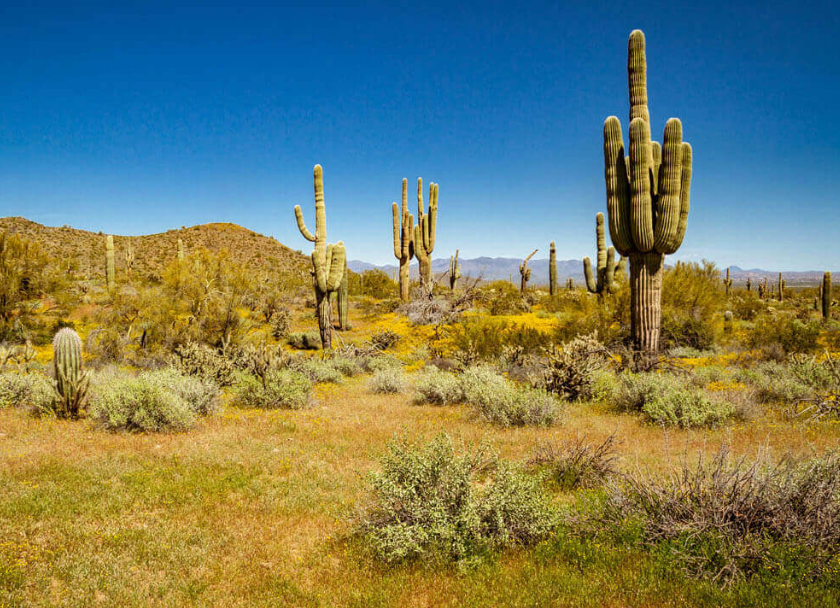
Water stands as the primary need in the desert, yet learning food discovery techniques will help you stay energized for survival. Water stands as the primary need in the desert, yet learning food discovery techniques will help you stay energized for survival. Your body functions properly through hydration, yet food acts as the secondary element that prevents exhaustion.
Edible Plants:
- Prickly pear cacti, along with other cactus species, serve as food sources through their water and nutrient content. Always make sure the plant is safe before consuming.
- Desert Melons and Roots: The roots and fruits of specific desert plants function as storage systems for water, er which serves as a vital power supply.
- Leaves and Stems: Some shrubs have edible leaves or young shoots; knowledge of local flora is crucial to avoid poisonous plants.
Small Animals and Insects:
- Insects: Crickets and beetles, locusts, and grasshoppers serve as protein sources that you can easily capture in nature.
- Small Animals: During emergencies, lizards and rodents serve as survival food sources. Proper cooking or roasting is recommended to avoid illness.
Maintaining Energy – Water Comes First:
The desert environment requires water as an essential element, which stands above all other needs, including food. The body becomes more dehydrated when someone eats without drinking enough water.
- Eat small portions to conserve energy and avoid overexertion.
- Choose high-energy foods that digest quickly when they become available.
Common Mistakes to Avoid:
- Eating unfamiliar plants or animals without knowing they are safe.
- Prioritizing food over water can be fatal in a desert environment.
- Overexerting yourself while hunting or foraging.
Pro Tips: Treat food as a supplement to hydration. Conserving energy, staying hydrated, and knowing a few safe food sources can help you endure the harsh desert environment longer.
Tip 6: Survival Tools & Gear
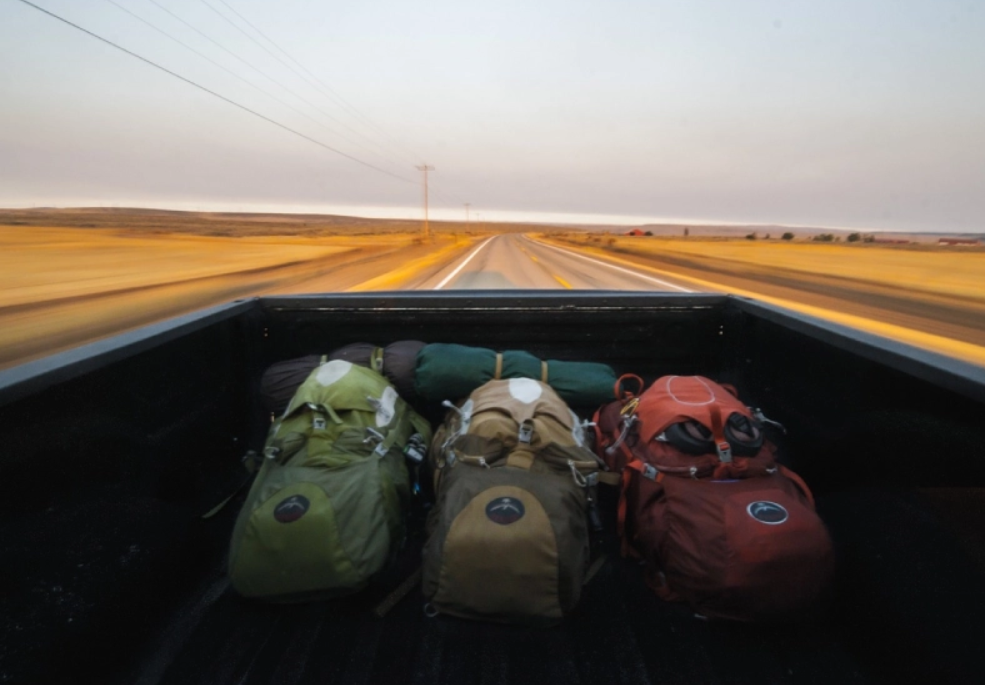
To survive in the wilderness, you need to bring some of the right equipment. Even a few essential items can increase your chances of staying safe and getting help.
Desert Survival Kits:
- Knife or multi-tool: Useful for cutting, shelter building, preparing food, or self-defense.
- Water bottle: Carry plenty of water and use a portable filter or purification tablet for emergencies.
- First aid kit: Treat minor cuts, bites, or burns quickly to prevent complications.
Signaling Equipment:
- Mirror: Reflect sunlight to signal aircraft or distant rescuers so they can see you.
- Whistle: Blow a loud whistle when shouting is not enough to get attention.
- Flare or smoke device: Signal for help from a distance, especially in areas with low visibility.
Emergency equipment:
Learn how to use each item effectively before heading into the wilderness.
Always keep your survival kit handy.
Combine signaling devices with shelter and water strategies to maximize safety and keep them by your side.
Pro Tip: The best tools are those you know how to use under pressure. A well-prepared desert survival kit, combined with practical knowledge, can turn a dangerous situation into a manageable one.
Tip 7: Travel Smartly in the Desert

Walking through the desert requires careful planning. When and how you travel can have a huge impact on your survival, due to the intense sun, extreme temperatures, and scarce resources.
Best Time to Walk:
- Morning or Evening: Avoid the midday sun and fill up on cooler travel at night. Walking in the early morning or late evening will help you conserve your energy and reduce water loss.
- Afternoon Rest: Between 11 a.m. and 3 p.m., the sun is at its highest. Find shade, rest, and hydrate during this time. Avoid unnecessary exertion to prevent heatstroke.
Energy-Saving Tips:
- Walk slowly: Walking at a steady, controlled pace saves energy and reduces sweating, helping you conserve water.
- Plan your route: Mark landmarks or follow natural paths to avoid getting lost.
- Take frequent breaks: Short rests in the shade help your body refresh and restore itself and relieve fatigue.
Common Mistakes to Avoid:
- Overexerting during midday heat.
- Ignoring rest periods or shade opportunities.
- Wandering without a planned route.
Pro Tip: Smart travel includes proper management of personal energy levels and body temperature, and hydration maintenance during every movement. The desert crossing becomes safer when you combine smart walking methods with appropriate rest intervals.
Tip 8: Avoid Dangerous Animals & Insects
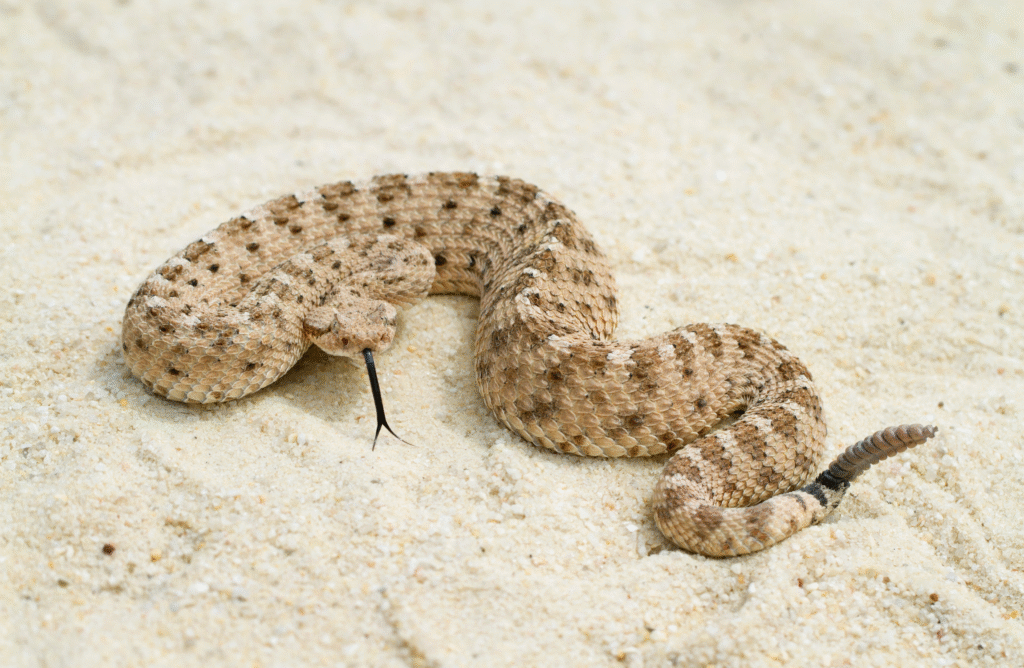
A vast empty desert appears to contain nothing, yet various dangerous animals live within its boundaries. The environment contains snakes and scorpions and spiders, and various other insects, which become dangerous when you fail to take proper precautions. People need to establish awareness and take preventive actions for safe survival.
How to Stay Safe:
- Identify Threats: Identify dangerous snakes and scorpions, and spiders that exist in your local environment. You can stay away from them when you understand their natural environments and their conduct.
- Check Shoes and Clothes: Shake your shoes and boots and clothing before putting them on at night. Many desert animals stay in dark, cool areas throughout the day before starting their nighttime activities.
- Keep a Safe Distance: Avoid touching or provoking any wildlife. All animals, including those without venomous bites, will attack when they feel threatened.
First Aid for Bites or Poison:
- Stay Calm: Panic increases heart rate and spreads venom faster. The injured limb requires immobilization, as it needs to stay below the heart level, and any movement should be restricted.
- Seek Medical Help Immediately: Use your first aid kit for initial treatment, but professional medical attention is essential.
Pro Tip: Prevention is better than treatment. Awareness, careful movement, and regular checks of clothing and footwear greatly reduce the risk of dangerous encounters in the desert.
Tip 9: Signal for Help

Survivors in desert situations need to signal for assistance because this action determines whether they live or die. Your visibility to rescuers will determine how fast they can locate you.
Ways to Signal:
- Create an SOS signal: by arranging rocks and signs, which should be placed in open areas for maximum visibility. The signal needs to be big enough to show up from far away and from above.
- Use a Mirror or Reflective Object: Use a mirror or reflective object to direct sunlight toward rescuers and aircraft. A tiny mirror generates a bright flash, which becomes visible from great distances to alert others.
- Fire and Smoke Signals: A controlled fire produces light, which becomes visible from distant locations during nighttime hours. The smoke signals that appear during the day come from green plants and wet substances, which can be seen from far away.
- Mobile or GPS Distress Signals: Your phone and GPS device, and satellite messenger should be used if you have them. Your exact location will be shared with authorities through emergency functions or apps, which you should activate.
Common Mistakes to Avoid:
- Small signals that remain hard to detect.
- The team dismissed all visibility factors, which included wind speed and ground topography.
- The team failed to maintain proper accessibility of their signaling equipment.
Pro Tip: Combine multiple signaling methods for higher effectiveness. For example, an SOS sign on the ground plus a reflective mirror or flare dramatically increases the likelihood of rescue.
Tip 10: Stay Calm & Positive Mindset

In the desert, your mental state can be just as important as physical preparation. Panic and fear drain energy, increase water loss, and cloud judgment. Staying calm and maintaining a positive mindset is a vital survival skill.
Ways to Stay Mentally Strong:
- Control Your Breathing: Maintain a steady breathing pattern through slow breathing exercises to reduce panic attacks while preserving your energy levels.
- Stay Focused: Start by splitting your difficulties into smaller tasks that you can handle. You need to choose between locating water and building shelter, and making a distress signal right away.
- Positive Self-Talk: Keep telling yourself that help will come soon, and your choices will determine the outcome. People who maintain positive attitudes develop superior problem-solving abilities and maintain higher workplace morale.
- Conserve Energy: Avoid unnecessary movements or actions driven by anxiety. Rest when needed and maintain a steady pace.
Small Decisions Can Save Lives:
- The decision to choose shade instead of sun exposure and water rationing, along with marking your path, will boost your survival odds..
- The ability to stay calm lets you choose logical decisions instead of making quick decisions, which could create more problems.
The survival tool, mental resiliency, functions as a professional suggestion. Your survival in the desert depends on fear control and present-moment, and optimistic thinking.
Bonus Tips for Desert Safari Survival

While the top 10 survival tips cover essential strategies, these bonus tips can further enhance your safety and experience in the desert.
Travel in a Group:
- Whenever possible, visit the desert with other people. Groups provide alm to carry all the water and gear needed, and increased safety, and make emergencies easier to manage.
Learn Desert Survival Basics in Advance:
- Familiarize yourself with desert conditions, local wildlife, navigation techniques, and first aid. Prior knowledge can prevent mistakes and boost confidence during emergencies.
Enlist the Help of a Local Guide:
- Local guides know the terrain, the water sources, and the hazards. They also have the experience to make a safe and enjoyable experience into an even richer experience.
Pro Tip: It is better to have good preparation and knowledge. Carrying all the equipment as part of a group, while also having basic survival skills and a local guide, will enhance your safety and might even reduce some of the risks associated with your adventures in the desert environment.
Conclusion
Surviving in the desert takes preparation, situational awareness, and the right mentality. The elements of extreme temperatures, freezing nights, sparse water, and challenging terrain make it one of the most difficult environments on the planet. Understanding those risks and knowing how to handle them can be the difference between a great adventure and dire circumstances.
Key Takeaways – Top 10 Tips for Survival in the Desert to Keep in Mind:
- Stay hydrated and find water.
- Protect yourself from the sun.
- Navigate using the sun, stars, and landmarks.
- Build or find an effective shelter.
- Know safe food sources.
- Carry essential survival tools and gear.
- Travel smartly to conserve energy.
- Avoid dangerous animals and insects.
- Signal for help if needed.
- Stay calm and maintain a positive mindset.
Taking these steps ensures your venture into the desert will be safe and enjoyable. Some simple precautions, planning, and being aware of your environment go a long way to surviving in challenging conditions.
Are you ready for an adventure in the desert? Don’t miss out on the opportunity to explore the awe-inspiring beauty of the desert in a meaningful way with our professional guides. Have a look at our Abu Dhabi Desert Safari & Tour Packages to make your adventure unforgettable.
What are the most important desert survival tips?
The fundamental desert survival guidelines require individuals to maintain hydration levels while shielding themselves from sunlight and locating protection from the elements and understanding desert water sources and keeping their composure during emergency situations.
How long can a person survive in the desert without water?
A person in extreme desert conditions tends to survive for about 2 to 3 days without water. That’s why learning to locate and conserve water is the key to survive in the desert.
How do you protect yourself from the sun in the desert?
The desert safety guide recommends wearing loose clothing with light colors and applying sunscreen and using a wide-brimmed hat and taking breaks in shaded areas to prevent heatstroke and dehydration.
What are some natural sources of water in the desert?
The desert contains four main water sources which include cactus plants and dry riverbeds underground moisture and shaded rock areas and animal tracks.
Why is mindset important for desert survival?
Physical readiness stands as an essential desert survival practice yet maintaining mental calmness and positive thinking serves as an equally vital but frequently neglected aspect. People make bad decisions when they panic but they can save their energy and live by staying focused and confident.